Procedures explained
An overview of the key surgeries Dr. Kale performs. Every case is assessed individually — surgery is recommended only when it is the appropriate option.
Endoscopic Spine Surgery
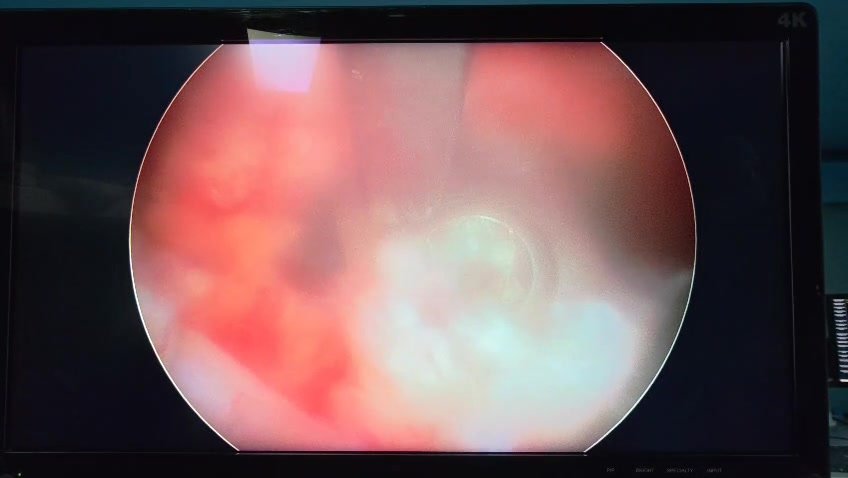
A full-endoscopic, keyhole approach performed through a single incision under 1cm, using a high-definition camera and specialised German Richard Wolf instruments to remove herniated disc material or relieve nerve compression — without cutting through the surrounding muscle.
Incision size
~8mm, single portal
Anaesthesia
Local / regional, case-dependent
Typical stay
Add typical hospital-stay duration
Best suited for
Disc herniation, foraminal stenosis
Spine Fusion & Decompression
For patients with instability, spondylolisthesis or significant spinal stenosis, decompression relieves pressure on the nerves, and fusion stabilises the affected spinal segment using screws and rods. Performed via open or minimally invasive technique depending on the case.
Add specific fusion techniques offered — e.g. TLIF, PLIF, MIS-TLIF.
Disc Replacement
An artificial disc replaces a damaged spinal disc, preserving natural movement at that spinal segment as an alternative to fusion in carefully selected patients — most often in the cervical (neck) spine.
Add specific implants used and eligibility criteria you typically apply.
Who is typically suited
- Single or two-level cervical disc disease
- Good bone quality, no significant instability
- Add further criteria
Common trauma cases
- Spinal compression fractures
- Limb fractures — road traffic & fall injuries
- Add further examples
Fracture & Trauma Care
Orthopaedic and spinal trauma — from vertebral compression fractures to limb fractures — treated with both surgical fixation and non-surgical management, depending on severity and stability.
Every case is assessed individually. Not sure which option fits your condition? Let’s talk it through.
Discuss your condition — Request an Appointment